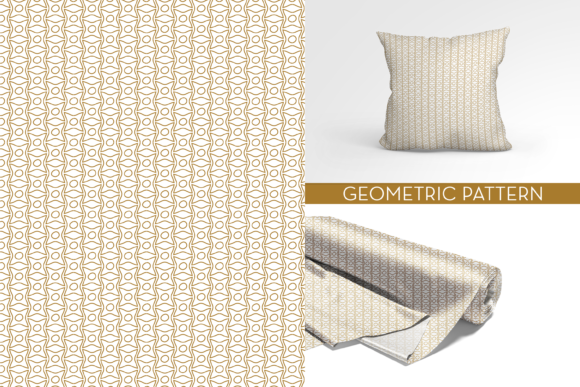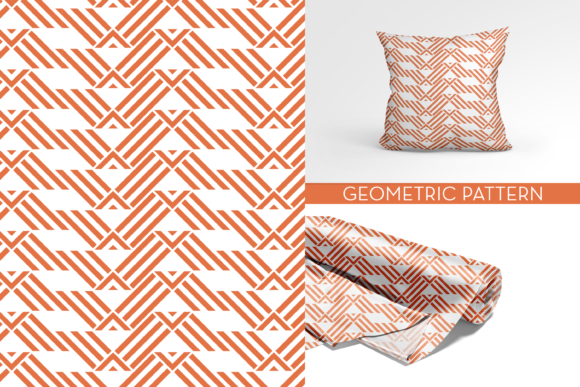
Geometric Pattern Seamless Flat Color: A Versatile Design Element for Modern Projects
In the world of design, geometric patterns have long been a staple of creativity and functionality. Among these, the geometric pattern seamless flat color has gained significant popularity due to its versatility, clarity, and aesthetic appeal. These patterns are not only visually striking but also highly practical, making them an essential tool for designers, artists, and creators across various industries. One of the most sought-after examples is the Tartan Seamless Pattern, which combines traditional elements with modern design principles to create a unique and adaptable visual language.
What Is a Geometric Pattern Seamless Flat Color?
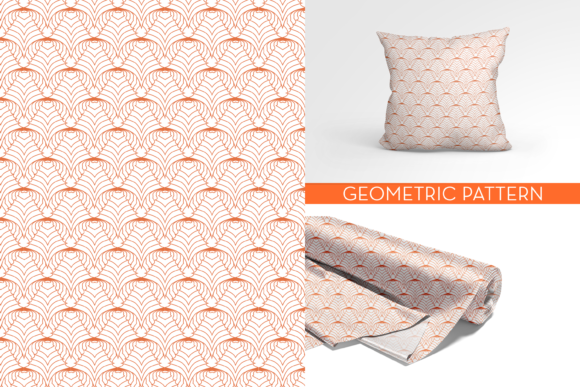
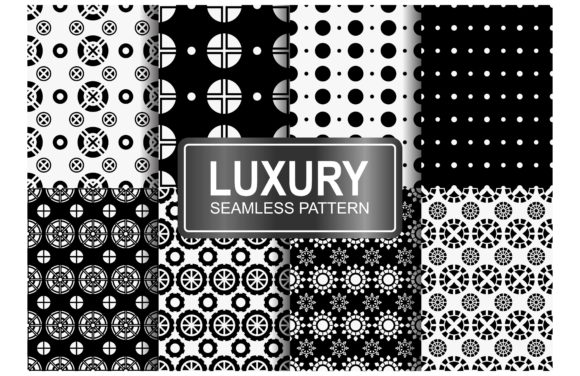
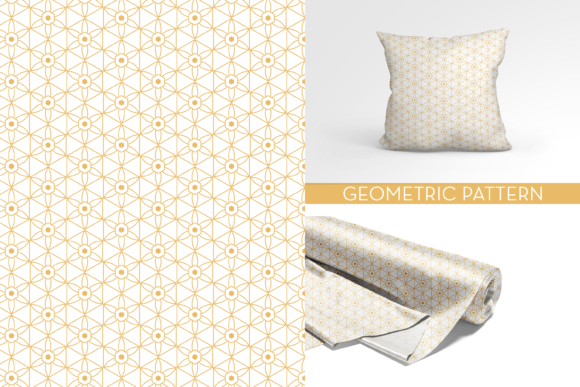
A geometric pattern seamless flat color refers to a repeating design composed of shapes such as triangles, squares, circles, and lines, arranged in a way that creates a continuous, unbroken pattern. The term "seamless" indicates that the pattern can be tiled without visible seams or gaps, allowing it to be used on large surfaces without disrupting the visual flow. The "flat color" aspect means that the design uses solid, non-gradient colors, which enhances readability and makes it suitable for a wide range of applications.
This type of pattern is often used in decorative paper, fashion design, house interior design, and hand crafts. Its clean lines and structured layout make it ideal for both digital and physical projects, offering a professional and polished look.
The Purpose and Significance of Geometric Patterns
Geometric patterns serve multiple purposes in design. They can add visual interest, create texture, and define space. In addition, they are often used to convey a sense of order, balance, and harmony. For example, in interior design, geometric patterns can be used in wall coverings, rugs, and furniture to create a modern and sophisticated atmosphere.
From a technical perspective, seamless geometric patterns are especially valuable because they allow for easy scaling and repetition. This is particularly useful in vector illustration, where the design can be adjusted without losing quality. Whether you're designing a wallpaper, a logo, or a textile pattern, the ability to seamlessly repeat a design ensures consistency and professionalism.
Why Choose Tartan Seamless Pattern?
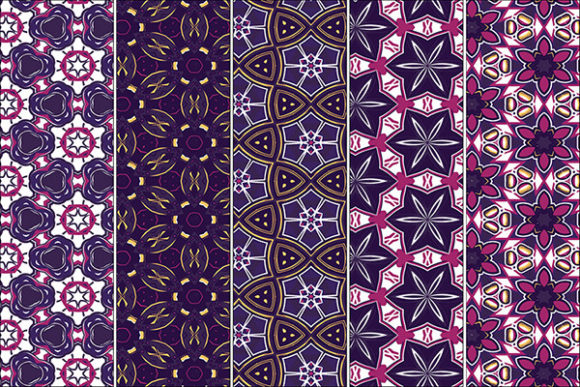
One of the most popular types of geometric patterns is the Tartan Seamless Pattern. Tartan, traditionally associated with Scottish heritage, has evolved into a modern design element that blends tradition with contemporary aesthetics. The pattern consists of intersecting horizontal and vertical stripes in different colors, forming a grid-like structure that is both intricate and elegant.
The Tartan Seamless Pattern is particularly well-suited for wallpapers, fashion design, and decorative paper. Its bold yet structured design adds a touch of sophistication to any project. Additionally, the pattern's adaptability allows it to be customized to suit different styles, from classic to avant-garde.
Key Features of High-Resolution Geometric Patterns
When working with geometric patterns, especially those intended for professional use, it's important to consider their technical specifications. High-resolution geometric patterns typically come in the following formats:
- .AI File (Editable) – Ideal for graphic designers who need full control over the design elements.
- .EPS File (Editable) – Suitable for vector-based editing and printing.
- .PNG File (Transparent Background) – Perfect for digital use where a transparent background is required.
- .JPG File (White Background) – Best for web and print projects where a solid background is preferred.
- .DXF File (AutoCAD Interchange File) – Useful for architectural and engineering applications.
- .PDF File – Great for sharing and viewing the pattern in a standard format.
- .SVG File – Scalable Vector Graphics format, ideal for web and mobile use.
These file formats ensure that the pattern can be used across different platforms and software, making it a versatile choice for designers and creators.
Benefits of Using Seamless Geometric Patterns
There are several advantages to using seamless geometric patterns in your projects:
- Customization – Many patterns come with templates that allow for quick and easy customization, enabling users to adjust colors, sizes, and layouts to fit their needs.
- High Resolution – With dimensions of 3000×2000 pixels and RGB color mode, these patterns maintain clarity and sharpness even when scaled up.
- Seamless Repetition – The seamless nature of the pattern ensures that it can be repeated without visible breaks, making it ideal for large-scale designs.
- Vector Illustration – As vector graphics, these patterns can be resized without loss of quality, making them perfect for both digital and print media.
- Unique Designs – Each pattern offers a distinct visual identity, allowing users to stand out in competitive markets.
Applications in Modern Life and Work
Geometric patterns are not just limited to artistic or decorative uses. They have practical applications in various fields, including:
- Interior Design – Used in wallpapers, textiles, and furniture to add visual interest and style.
- Fashion Design – Incorporated into fabrics, accessories, and clothing to create bold and eye-catching outfits.
- Graphic Design – Utilized in logos, branding, and marketing materials to convey professionalism and creativity.
- Education – Help students understand geometry, symmetry, and spatial relationships through visual learning.
- Technology – Applied in UI/UX design, app interfaces, and digital art to enhance user experience.
Whether you're a student, a professional, or a hobbyist, incorporating geometric patterns into your work can elevate the quality and impact of your projects.
Common Misconceptions About Geometric Patterns
Despite their widespread use, there are some common misconceptions about geometric patterns. One of the most frequent misunderstandings is that they are only suitable for modern or minimalist designs. However, geometric patterns can be adapted to fit a wide range of styles, from traditional to futuristic.
Another misconception is that geometric patterns are too complex to use. In reality, many patterns are designed with simplicity in mind, making them accessible to beginners while still offering depth for experienced designers.
How to Incorporate Geometric Patterns Into Your Projects
If you're new to using geometric patterns, here are a few tips to help you get started:
- Start with a template – Use pre-designed templates to experiment with different layouts and color schemes.
- Experiment with colors – Play with contrasting or complementary colors to create visual interest.
- Use the right file format – Choose a file format that suits your project, whether it's for digital or print use.
- Consider the scale – Ensure the pattern is appropriately sized for your application, whether it's a small card or a large banner.
- Test the pattern – Preview the pattern in different contexts to see how it looks in real-world scenarios.
By following these steps, you can effectively integrate geometric patterns into your creative workflow and achieve professional results.
Conclusion
In today's design-driven world, geometric pattern seamless flat color has become an essential tool for creators across industries. Whether you're looking to enhance your interior space, develop a fashion collection, or create digital content, these patterns offer a blend of beauty, functionality, and versatility. With features like high resolution, seamless repetition, and multiple file formats, they provide a powerful foundation for both personal and professional projects.
As you explore the possibilities of geometric patterns, remember that the key to success lies in understanding their purpose, significance, and potential. By embracing these design elements, you can unlock new levels of creativity and innovation in your work.