Turing Pattern Background
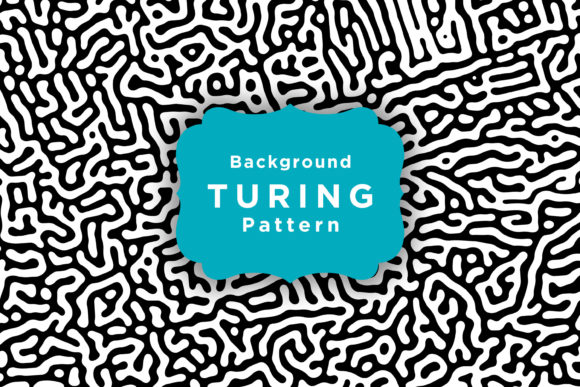
The Turing Pattern Background is a unique design concept inspired by the mathematical principles of pattern formation. Named after the pioneering computer scientist Alan Turing, these patterns emerge from simple rules that lead to complex and visually striking results. This type of background can be used in various creative projects, offering both aesthetic appeal and functional versatility.
What Makes Turing Pattern Background Unique
Turing Pattern Backgrounds are generated through algorithms that simulate natural processes, resulting in intricate, organic designs. These patterns often resemble textures found in nature, such as the spots on a leopard or the stripes on a zebra. The beauty of this approach lies in its ability to create complexity from simplicity, making it a popular choice for designers looking for original and compelling visuals.
Unlike traditional patterns, which may rely on repetition of basic shapes, Turing Patterns introduce variation and depth. This makes them ideal for backgrounds that need to stand out without overwhelming the viewer. Whether you're designing a website, a social media post, or a mobile wallpaper, these backgrounds offer a fresh and dynamic alternative.
Why Different Audiences Care About Turing Pattern Background
Various groups may find value in Turing Pattern Backgrounds depending on their goals and needs. For example:
- Beginners might appreciate the visual interest these backgrounds add to their projects, even if they don't fully understand the underlying mathematics.
- Professionals could use them to enhance the visual identity of their brand or product, creating a distinctive look that sets them apart.
- Designers may explore these patterns as a source of inspiration, using them as a base for more complex compositions or as standalone elements.
- Entrepreneurs might consider them for marketing materials, where a unique visual style can help capture attention and convey creativity.
- Hobbyists could experiment with these patterns in personal projects, enjoying the process of creating something visually engaging.
How Different Users Might Approach Turing Pattern Background
The way someone uses a Turing Pattern Background can vary based on their experience level, project requirements, and available resources. For instance:
- Beginners may focus on ease of use, seeking templates or pre-made designs that are easy to implement without requiring advanced technical skills.
- Experienced users might prefer customizable vector files, allowing them to adjust colors, scales, and other properties to fit specific needs.
- Business owners could prioritize commercial licensing, ensuring that the design can be used in promotional materials without legal issues.
- Educators might incorporate these patterns into lessons about mathematics, design, or digital art, using them as examples of how abstract concepts can lead to tangible results.
- Consumers may simply appreciate the aesthetic value, choosing a background that aligns with their personal style or mood.
Practical Applications of Turing Pattern Background
Turing Pattern Backgrounds are not limited to a single use case. Here are some ways they can be applied:
- Website Design: A dynamic background can enhance user engagement, making a site more memorable and visually appealing.
- Social Media Posts: These patterns can serve as eye-catching banners or ads, helping content stand out in a crowded feed.
- Mobile and Desktop Wallpapers: Users can personalize their devices with unique, algorithm-generated designs that reflect their individuality.
- Apparel Printing: T-shirt designs featuring Turing Patterns can offer a modern, artistic look that appeals to fashion-conscious consumers.
- Illustration and Engraving: Artists and illustrators might integrate these patterns into larger works, adding texture and depth to their pieces.
Key Considerations When Using Turing Pattern Background
Before incorporating a Turing Pattern Background into a project, it's important to consider several factors:
- File Format: The availability of EPS, JPEG, and SVG files ensures compatibility across different platforms and applications.
- Resolution and Scalability: With a pixel dimension of 2000 x 1333 and 72 dpi, the design is suitable for most digital uses while maintaining clarity when scaled.
- Customization Options: The ability to adjust colors and sizes can make the pattern more versatile for different projects.
- Support and Documentation: Access to support through contact methods ensures that users can resolve any issues they encounter.
Choosing the Right Turing Pattern Background for Your Needs
Whether you're a beginner exploring design possibilities or a professional seeking a unique visual element, there's likely a Turing Pattern Background that fits your needs. Consider the following questions to help guide your decision:
- What is the primary purpose of the background?
- Do you need a high-resolution file for print or digital use?
- Are you looking for a ready-to-use template or a customizable vector?
- What is your budget for design assets?
- Will the pattern complement the overall design or message you're trying to convey?
Final Thoughts on Turing Pattern Background
Turing Pattern Backgrounds offer a blend of mathematical intrigue and artistic expression, making them a valuable tool for a wide range of users. From enhancing digital projects to inspiring new creative directions, these backgrounds have the potential to elevate your work in unexpected ways. By understanding your own goals and preferences, you can determine whether this type of design is the right fit for your next endeavor.