Seamless Pattern Geometric Shapes: A Versatile Design Resource
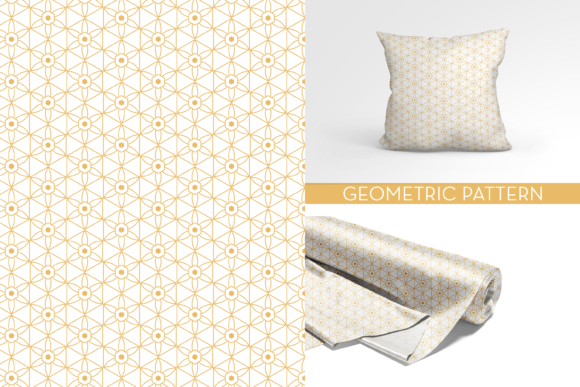
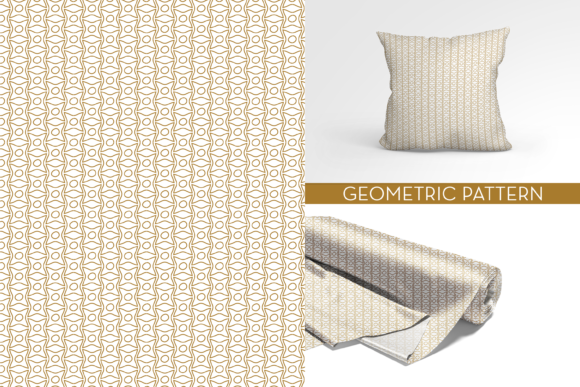
Seamless Pattern Geometric Shapes offer a unique blend of aesthetic appeal and functional design. These patterns are crafted to repeat without visible seams, making them ideal for a wide range of applications. Their high-resolution quality ensures that they maintain clarity and detail at any scale, which is particularly beneficial for digital and print projects.
What Makes Seamless Pattern Geometric Shapes Distinct?
Unlike traditional patterns that may have visible breaks or inconsistencies when repeated, Seamless Pattern Geometric Shapes are designed with precision to create an uninterrupted visual flow. This characteristic makes them especially useful in areas where continuity is essential, such as wallpaper designs, fabric prints, and interior decor.
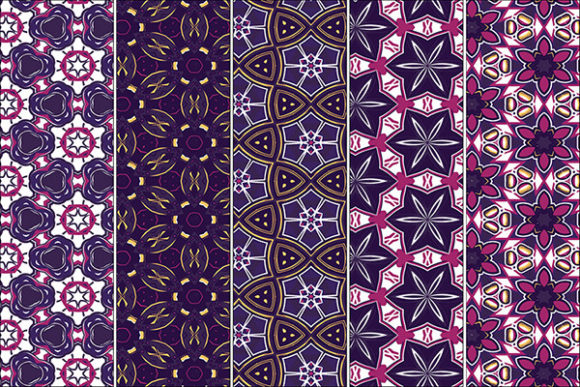
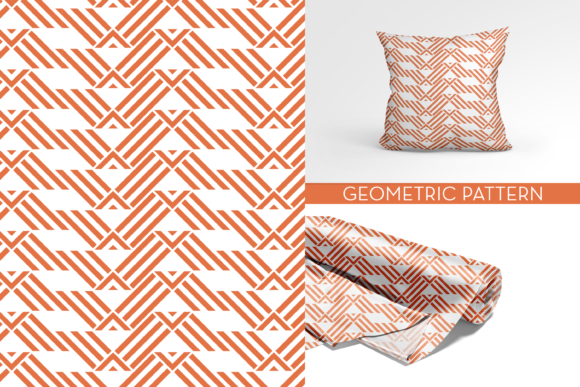
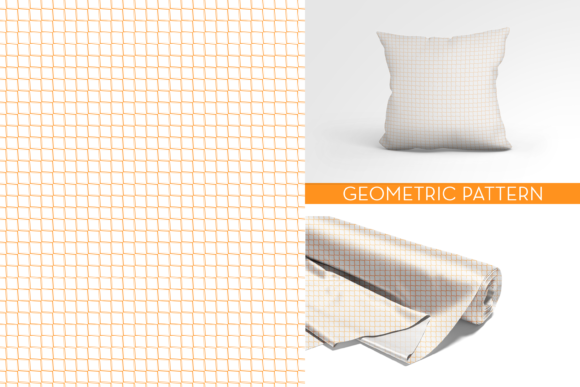
The geometric nature of these patterns adds a modern and structured feel. They often incorporate elements like triangles, circles, squares, and hexagons, arranged in symmetrical or asymmetrical layouts. This variety allows designers to choose a style that aligns with their project's theme and purpose.
Comparing Seamless Pattern Geometric Shapes with Other Options
When considering design resources, it's important to evaluate how Seamless Pattern Geometric Shapes compare to other types of patterns and illustrations. Traditional hand-drawn patterns, for example, may offer a more organic look but can be less consistent when repeated. Digital vector patterns, on the other hand, provide scalability and editability, which is a key advantage of Seamless Pattern Geometric Shapes.
For those working with limited design tools, pre-made seamless patterns can save time and effort. However, they may not always offer the same level of customization as editable vector files. Seamless Pattern Geometric Shapes often come in multiple file formats, including .AI, .EPS, and .SVG, allowing users to adjust colors, sizes, and details according to their needs.
Strengths and Tradeoffs of Using Seamless Pattern Geometric Shapes
One of the primary strengths of Seamless Pattern Geometric Shapes is their versatility. They can be used in various industries, from fashion and graphic design to home decor and digital media. Their high resolution ensures that they look sharp on both screens and printed materials, making them a reliable choice for professional projects.
Another benefit is the ease of customization. With editable vector files, users can modify the pattern to suit specific requirements without losing quality. This flexibility is particularly valuable for designers who want to maintain a cohesive visual identity across different platforms.
However, there are tradeoffs to consider. Some users may find that the geometric style is too rigid or lacks the warmth of more organic designs. Additionally, while the patterns are seamless, they may require some adjustment to fit certain layouts or dimensions, depending on the project's needs.
Best-Fit Situations for Seamless Pattern Geometric Shapes
Seamless Pattern Geometric Shapes are well-suited for projects that require a clean, structured appearance. For instance, in interior design, they can be used to create stylish wall coverings or textile patterns that add a modern touch to living spaces. In fashion design, they can serve as base patterns for garments or accessories, offering a contemporary aesthetic.
These patterns also work well for digital media, such as website backgrounds, app interfaces, and social media graphics. Their ability to repeat seamlessly ensures that they maintain visual consistency across different screen sizes and resolutions.
Limitations and Decision Factors
While Seamless Pattern Geometric Shapes offer many advantages, they may not be the best choice for every project. For example, if a designer is looking for a more natural or abstract look, a different type of pattern might be more appropriate. Similarly, if the project requires a highly detailed or intricate design, a custom illustration could be a better option.
Decision factors include the project's purpose, the target audience, and the available design tools. If the goal is to create a bold and structured visual, Seamless Pattern Geometric Shapes can be an excellent choice. However, if the focus is on creativity and uniqueness, alternative approaches may be more suitable.
Practical Examples and Use Cases
Consider a scenario where a designer is creating a series of wallpapers for a modern home decor brand. Seamless Pattern Geometric Shapes can provide a consistent and elegant background that complements the overall design theme. The high-resolution quality ensures that the patterns look crisp on both digital and printed surfaces.
In another example, a fashion designer might use these patterns as a base for a collection of clothing items. By adjusting the colors and scales, they can create a cohesive look that stands out in the market. The availability of multiple file formats allows for easy integration into different design workflows.
When to Choose Seamless Pattern Geometric Shapes
Seamless Pattern Geometric Shapes are a good choice when the project requires a clean, structured, and scalable design. They are particularly effective for commercial applications where consistency and quality are essential. For example, in the production of decorative paper or house interior design elements, these patterns can enhance the visual appeal without overwhelming the space.
If the goal is to create a modern and trendy design, these patterns can provide the necessary structure and style. They are also ideal for hand crafts, where the ability to customize and adapt the pattern to different materials is valuable.
Alternatives to Consider
For those who prefer a more organic or artistic approach, alternatives such as floral patterns, abstract illustrations, or hand-drawn motifs may be more appropriate. These options can add a unique and personal touch to a project, though they may require more time and effort to create or source.
Additionally, custom-designed patterns can offer a one-of-a-kind solution for specific needs. While this approach may involve higher costs and longer lead times, it can result in a design that is truly tailored to the project's requirements.